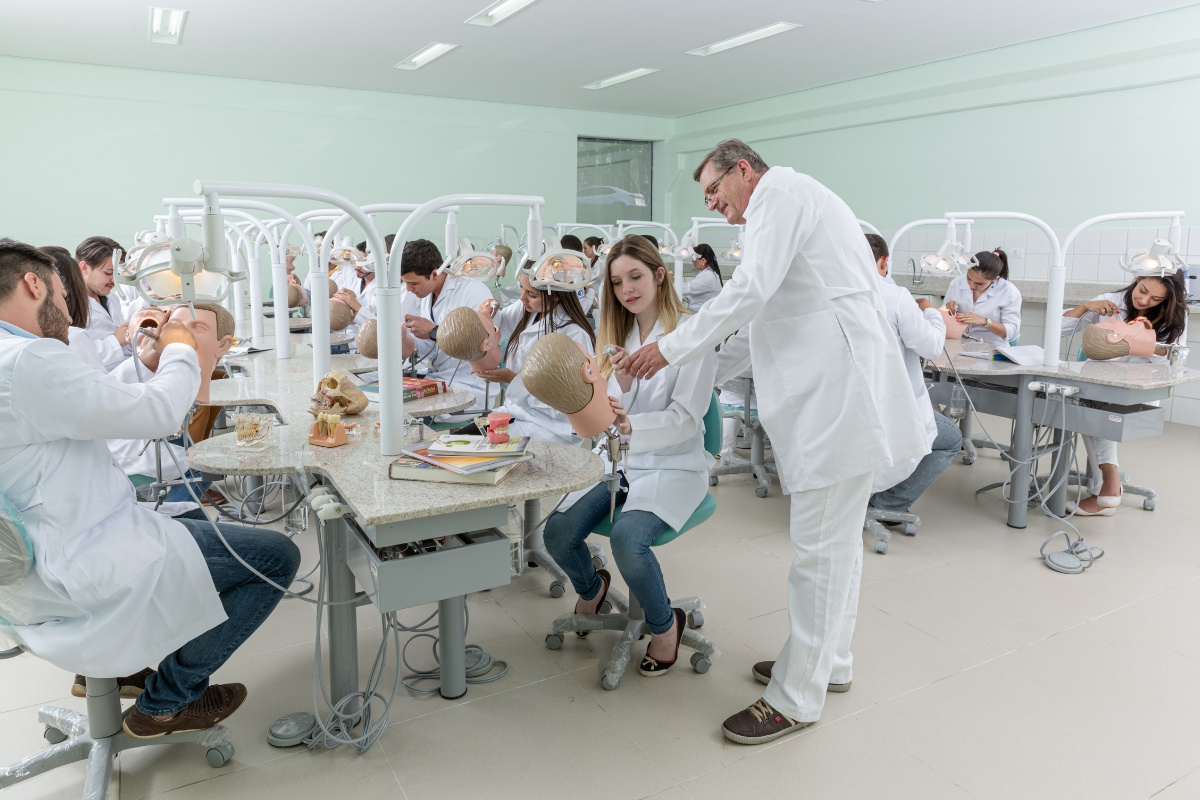
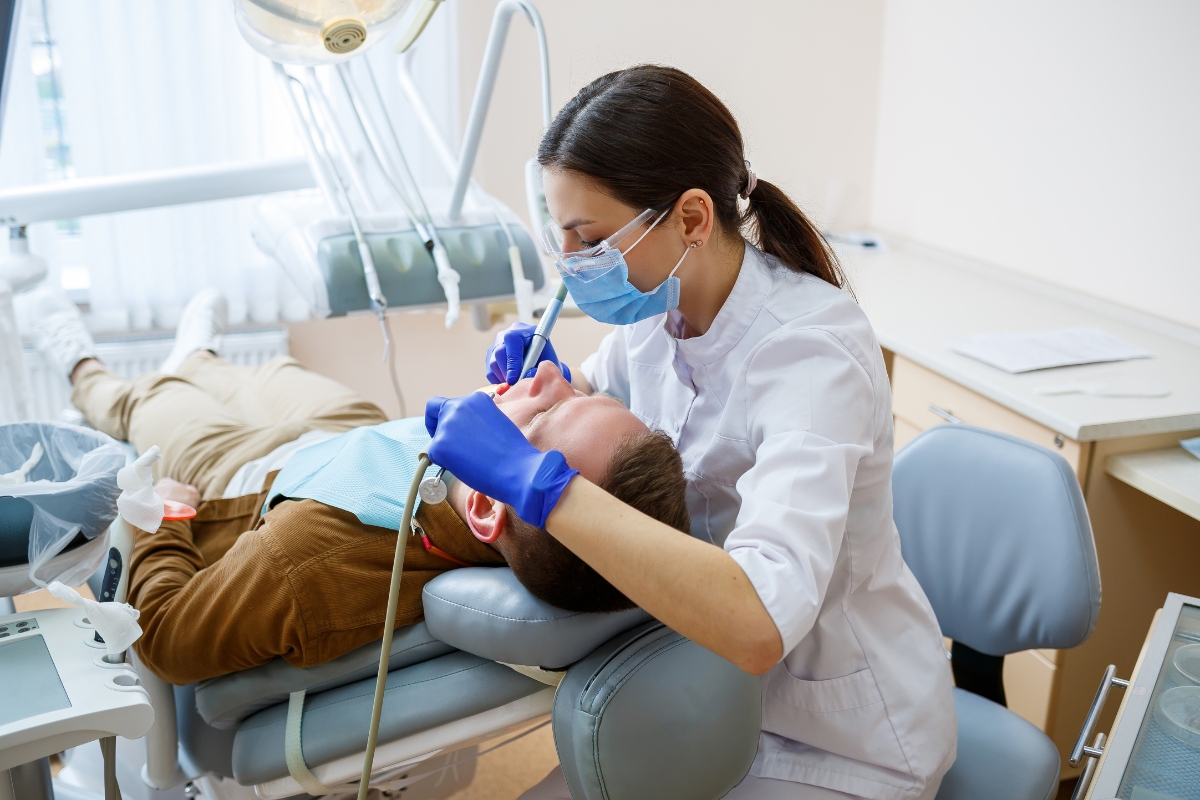
Hands-On Surgical · Training Expert faculty instruction · Real-world case experience

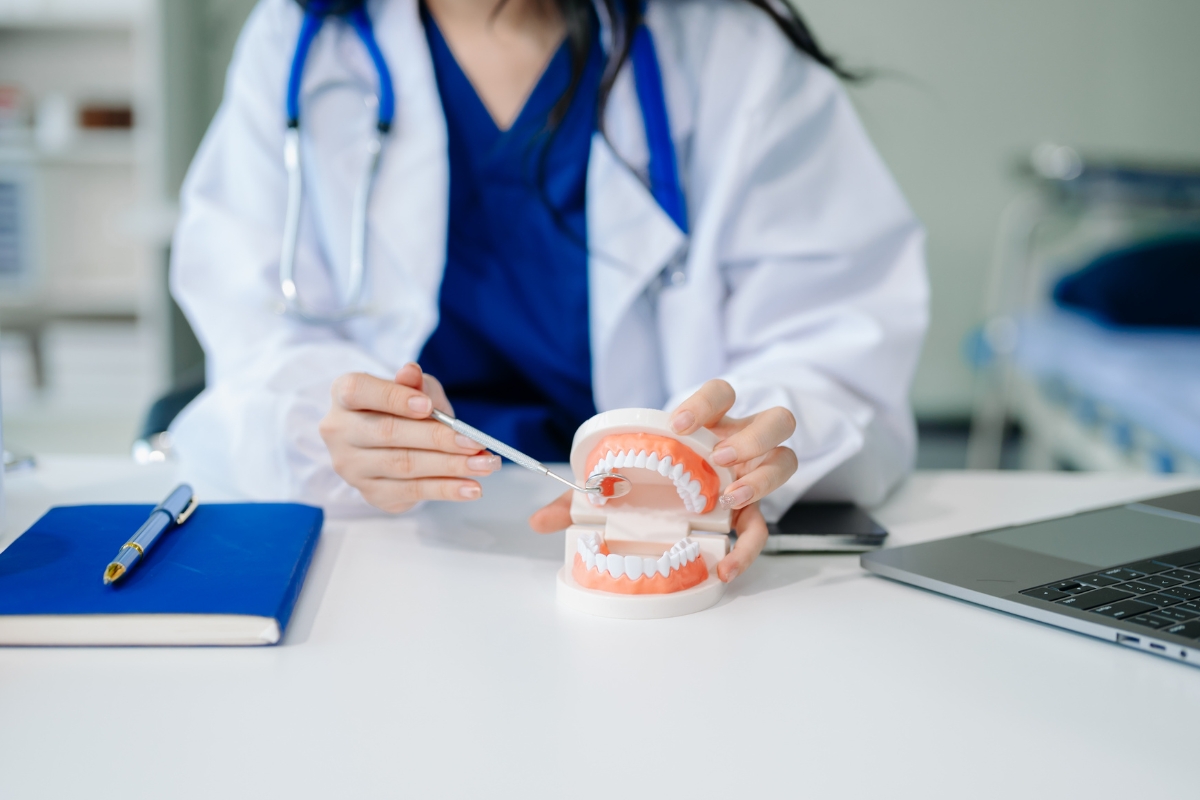
Performing full-arch implant cases requires more than knowing how to place dental implants. These cases involve comprehensive diagnosis, surgical planning, implant positioning, bone management, provisional restoration, digital workflows, and long-term maintenance. Dentists who want to add full-arch treatment to their practice need training that connects these elements into one coordinated clinical process.
That is why choosing the right Full Arch Surgery training matters. A strong program should go beyond lectures to enable dentists to understand how treatment decisions are made, observe real clinical procedures, practice relevant techniques, and receive guidance when challenging cases arise.
At Oklahoma Surgical Implant Institute, the focus is on practical education designed to help dentists build a systematic approach to full-arch implant treatment. Our Full Arch Surgery training course combines faculty instruction with hands-on clinical training and live-patient surgical experience. Here is what dentists should consider before performing these complex cases.
Full-Arch Success Starts With Comprehensive Planning, Not Surgery
A successful full-arch case starts long before surgery. The first step is to determine whether the patient is an appropriate candidate and to develop a treatment plan based on the patient’s anatomy, health history, restorative goals, and clinical needs.
Patient evaluation should include a detailed medical and dental history, a clinical examination, appropriate diagnostic imaging, and an assessment of the existing dentition and supporting structures. CBCT imaging can play an important role in preoperative implant assessment when clinically indicated. Implant treatment planning should account for bone quantity, quality, ridge anatomy, and the intended prosthetic position of the implants.
Dentists also need to understand how the planned restoration influences implant placement. A prosthetically driven approach helps clinicians determine where implants should be positioned to support the intended restoration, rather than treating implant placement as an isolated surgical step.
For dentists preparing to take on full-arch cases, this planning process is one of the most important areas to master.
Inside a Strong Full Arch Surgery Curriculum
Not every implant course provides the same level of clinical preparation. Dentists should evaluate whether a training program addresses the complete full-arch workflow instead of focusing on a single surgical technique.
Important areas to look for include:
- Patient evaluation and case selection
- Comprehensive health history review
- CBCT assessment and treatment planning
- Prosthetically driven surgical planning
- Implant positioning principles
- Bone reduction techniques
- Soft tissue management
- Management of anatomical challenges
- Immediate provisional restoration protocols
- Digital implant workflows and photogrammetry
- Surgical sequencing
- Post-operative care and maintenance
- Clinical decision-making for complex cases
These areas are built into the curriculum at Oklahoma Surgical Implant Institute. The program begins with virtual preparation before progressing into surgical planning, live-patient surgery, bone reduction, advanced implant concepts, digital workflows, and immediate provisional restoration.
This comprehensive structure matters because full-arch treatment requires coordination between surgery and restorative dentistry. Systematic treatment planning and digital workflows are widely recognized as essential components of predictable full-arch implant rehabilitation.
Choose Training Built on Real Clinical Experience, Not Just Theory
One of the most important considerations when comparing implant education programs is the amount of practical clinical exposure included in the training.
Dentists can learn concepts from presentations and textbooks, but complex implant cases also require the ability to apply those concepts in a clinical setting. Live-patient surgical experience allows dentists to see how treatment plans translate into actual procedures, how surgical sequencing is managed, and how clinical decisions may need to be adjusted during treatment.
The curriculum at Oklahoma Surgical Implant Institute covers surgical planning, implant positioning, surgical sequencing, bone reduction, soft tissue management, and immediate provisional workflows. This practical approach helps dentists develop a more complete understanding of the procedure before incorporating full-arch cases into their own practices.
Where Surgery Meets Restoration: Understanding the Full Workflow
Full-arch implant treatment does not end when the implants are placed. The surgical and restorative phases must work together from the beginning.
Bone reduction, implant positioning, soft tissue management, and the design of the provisional restoration can all influence the final result. Dentists therefore need to understand how surgical decisions affect restorative outcomes.
Digital technology has also become an important part of contemporary implant planning. Digital records, CBCT data, intraoral scans, and other digital tools can help clinicians visualize the proposed treatment and coordinate surgical and prosthetic planning.
Oklahoma Surgical Implant Institute’s curriculum includes photogrammetry, digital implant records, prosthetic verification, occlusal considerations, and immediate provisional restorations. Learning this workflow helps dentists see the full case, rather than treating surgery and restoration as separate procedures.
Advanced Techniques Aren’t Shortcuts: Know When They Apply
Some full-arch cases involve challenging anatomy or limited posterior bone. Dentists pursuing advanced implant treatment should understand the available options, their indications, limitations, and potential complications.
Pterygoid implant concepts, for example, may provide posterior support in selected maxillary cases. However, they require a thorough understanding of the relevant anatomy and careful treatment planning. Clinicians using implants in the pterygoid region should understand the surgical anatomy and be prepared to manage potential surgical and prosthodontic complications.
Advanced techniques should never be treated as shortcuts. Proper patient selection, anatomy assessment, treatment planning, informed consent, and clinical judgment remain essential. A quality training program should therefore explain not only how a technique is performed, but also when it may or may not be appropriate.
The Immediate Provisionalization Decision: More Than a Same-Day Delivery
For appropriately selected patients, immediate provisionalization can be an important component of full-arch implant treatment. However, immediate loading is not simply a matter of placing implants and delivering a temporary restoration on the same day.
Clinical factors such as implant stability, implant distribution, prosthetic design, occlusion, and the patient’s individual circumstances must all be considered. Immediate fixed full-arch provisionalization requires appropriate implant positioning, adequate primary stability, favorable anterior-posterior distribution, controlled cantilever length, and a rigid, passive-fitting prosthesis.
This is precisely why dentists need education that connects surgical planning with restorative execution. Training should help clinicians understand the decision-making process rather than simply follow a predetermined protocol.
Training Doesn’t End at Graduation: Why Mentorship Matters
A dentist’s first full-arch case may raise questions that cannot always be anticipated during a course. Having access to experienced faculty for case reviews and treatment-planning discussions can make continued education far more practical.
Oklahoma Surgical Implant Institute provides post-course mentorship that includes faculty case reviews, clinical troubleshooting, treatment-planning support, guidance on challenging cases, and continuing education resources. The program also offers participants one complimentary observational experience and two complimentary faculty case reviews within twelve months of completing the course.
That ongoing support can be particularly valuable as dentists begin applying new knowledge in their own clinical environment.
What Professional Guidance Says About Full-Arch Treatment Planning
Professional guidance in prosthodontics reinforces the importance of a comprehensive, systematic approach to full-arch implant treatment. The American College of Prosthodontists emphasizes that implant planning should account for bone quantity, quality, ridge anatomy, and the intended prosthetic position of the implants, along with continuing education and case experience as essential components of professional development in implant dentistry.
Dentists considering full-arch training can review the American College of Prosthodontists’ patient and professional education resources for additional context on treatment planning standards and best practices in implant prosthodontics.
Build the Confidence to Expand Your Implant Services
Adding full-arch treatment to a dental practice creates new opportunities to serve patients who need comprehensive tooth replacement. However, dentists should approach these cases with appropriate training, preparation, and clinical judgment.
The goal of advanced implant education should not simply be to complete a course. It should be to develop a repeatable process for evaluating patients, planning treatment, coordinating surgical and restorative workflows, communicating with the dental team, and managing complex clinical decisions.
Oklahoma Surgical Implant Institute is designed around this practical approach. Its four-day curriculum progresses from virtual preparation and treatment planning to live surgery, advanced surgical concepts, digital workflows, and immediate provisional restoration.
For dentists considering full-arch implant treatment, choosing education that combines these components provides a stronger foundation for integrating full-arch cases into practice.
Take the Next Step in Full-Arch Implant Education
Full-arch implant treatment requires a comprehensive understanding of diagnosis, surgical planning, implant placement, restorative workflows, digital technology, and patient management. The right education helps dentists move beyond theoretical knowledge and develop a more systematic approach to complex implant cases.
If you are ready to expand your clinical capabilities and gain practical experience with full-arch implant treatment, explore the Full Arch Surgery training program at Oklahoma Surgical Implant Institute and take the next step toward building a confident, comprehensive approach to full-arch implant care.
FAQs
1. What experience level is needed before taking a Full Arch Surgery course?
Full-arch training is generally intended for practicing dentists with foundational experience in dental implants. Because full-arch cases involve advanced surgical planning, bone management, and coordinated restorative workflows, dentists should review a program’s prerequisites to confirm the training matches their current skill level.
2. Does Full Arch Surgery training include live-patient experience?
Programs vary in format. Some rely primarily on lectures, models, or simulations, while others incorporate live-patient surgery under faculty supervision. Oklahoma Surgical Implant Institute’s curriculum includes hands-on, live-patient surgical training as part of its full-arch program.
3. What is the difference between full-arch surgery and standard implant placement?
Full-arch surgery involves treating an entire dental arch rather than replacing individual teeth. It requires comprehensive treatment planning, bone reduction, careful implant positioning and distribution, immediate provisional restoration considerations, and close coordination between surgical and restorative phases of care.
4. Are digital workflows part of full-arch implant training?
Digital tools such as CBCT imaging, intraoral scanning, and photogrammetry are increasingly used in full-arch treatment planning and execution. A well-rounded training program should address how these digital workflows support surgical planning, prosthetic verification, and case coordination.
5. What kind of support is available after completing full-arch training?
Post-course support varies by provider. Some programs offer ongoing mentorship, case review, or faculty access after training ends. Oklahoma Surgical Implant Institute provides post-course mentorship, including faculty case reviews, clinical troubleshooting, and treatment-planning support for graduates.